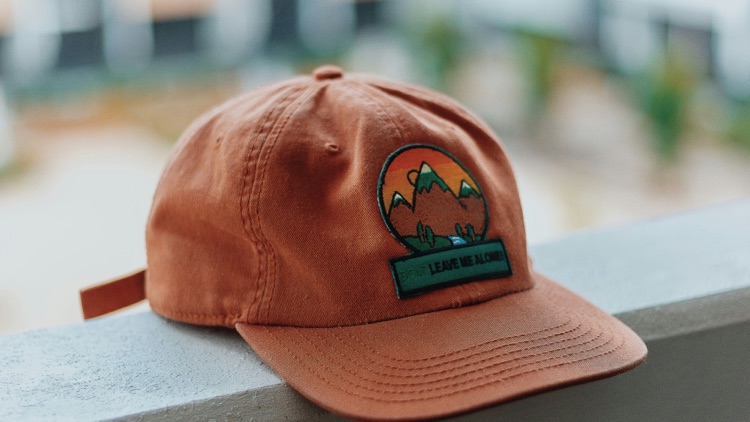
Performance caps look simple from the outside, but small construction choices can change how the product feels during sport, travel, outdoor work, or daily wear.
For brands, the challenge is not only finding a factory that can sew caps. The harder part is turning a visual idea into a repeatable product with the right fabric, fit, sweatband, logo method, and quality control plan.
Buyers evaluating JoinTop Performance Caps should prepare a clear brief before sampling. A stronger brief reduces confusion, speeds up development, and gives the manufacturer a better chance to quote the cap you actually want.
Define the Performance Scenario First
Performance headwear is a broad category. A cap for golf, tennis, running, hiking, gym training, and corporate sportswear may all need different materials and construction.
Golf caps often need a premium retail look, stable brim shape, comfortable sweatband, and clean logo presentation. Running caps may need lower weight, ventilation, and quick-dry fabric. Outdoor caps may need sun protection, packability, and stronger fabric durability.
Before asking for samples, define:
- Target activity
- Indoor or outdoor use
- Climate and sweat exposure
- Required crown shape
- Brim style
- Closure preference
- Logo position
- Packaging expectation
- Target price range
Without this information, the supplier may default to a basic cap structure that does not match the product goal.
Choose Fabric Based on Wear Conditions
Fabric affects comfort, shape, cost, and decoration quality.
Lightweight polyester is common for active headwear because it dries quickly and can feel comfortable in warm conditions. Nylon can give a smooth technical feel. Stretch fabric can improve fit, but it requires pattern control. Mesh or laser perforation can improve airflow, but it also changes the appearance and structure of the crown.
The best fabric choice depends on the use case. A premium golf cap may need enough structure to hold the front panel. A trail cap may need packability and airflow. A brand gift cap may need a clean hand feel and consistent color.
Ask the manufacturer to explain how the fabric performs after cutting, sewing, logo application, packing, and repeated use.
Pay Attention to the Sweatband
The sweatband is easy to overlook, but it affects the user’s first impression more than many visible details.
A poor sweatband can feel rough, trap moisture, or lose shape after use. A better sweatband supports comfort, absorbs or moves sweat appropriately, and helps the cap sit securely during movement.
When reviewing samples, wear the cap for more than a few seconds. Check whether the sweatband rubs the forehead, whether it feels too thick, and whether it changes the fit.
Control Fit and Crown Shape
Fit problems are one of the most common reasons performance caps disappoint buyers.
Crown depth, panel shape, closure type, fabric stretch, and brim curve all affect how the cap sits. A cap can look good in product photos but feel shallow, tight, loose, or unstable during use.
For OEM projects, buyers should provide reference caps when possible. If that is not possible, describe the preferred profile clearly: low profile, mid profile, structured, unstructured, five-panel, six-panel, rope style, snapback, fitted, stretch fit, or adjustable.
The sample approval should include both appearance and fit feedback.
Select the Right Logo Method
Performance caps can use embroidery, heat transfer, woven patches, silicone patches, TPU patches, rubber patches, leather patches, or printed details.
Each method has tradeoffs. Embroidery is durable and familiar, but it may feel heavy on lightweight fabric. Heat transfer gives a clean technical look, but application temperature and fabric compatibility must be controlled. Patches can create a premium identity, but they add cost and weight.
Ask for decoration samples on the actual fabric, not only on a generic swatch. The logo method should match the cap’s fabric, use case, and brand positioning.
Build Sampling Around Real Checks
Sampling is where the buyer should catch design and production risks.
Review the sample for:
- Crown shape
- Brim curve
- Panel symmetry
- Stitching quality
- Sweatband feel
- Logo position
- Color consistency
- Closure function
- Packaging shape
- Overall comfort
If the cap is intended for active use, test it during the activity. A cap that looks fine on a desk may feel hot, unstable, or too stiff when worn.
Confirm Bulk Production Consistency
An approved sample is only useful if the factory can repeat it.
Before bulk production, confirm the approved sample, material references, color standard, logo file, size tolerance, packing method, and inspection criteria. For repeat orders, keep a production sample from the previous batch for comparison.
Performance headwear customers often notice small differences in shape, fit, and comfort. Consistency is part of the product value.
Conclusion
OEM performance cap projects work best when the buyer defines the product before asking for price.
Fabric, fit, sweatband, decoration, sample testing, and production control all affect the final result. By giving the manufacturer a clear brief and reviewing samples through real use, brands can reduce mistakes and build performance caps that look good, feel comfortable, and stay consistent in bulk production.